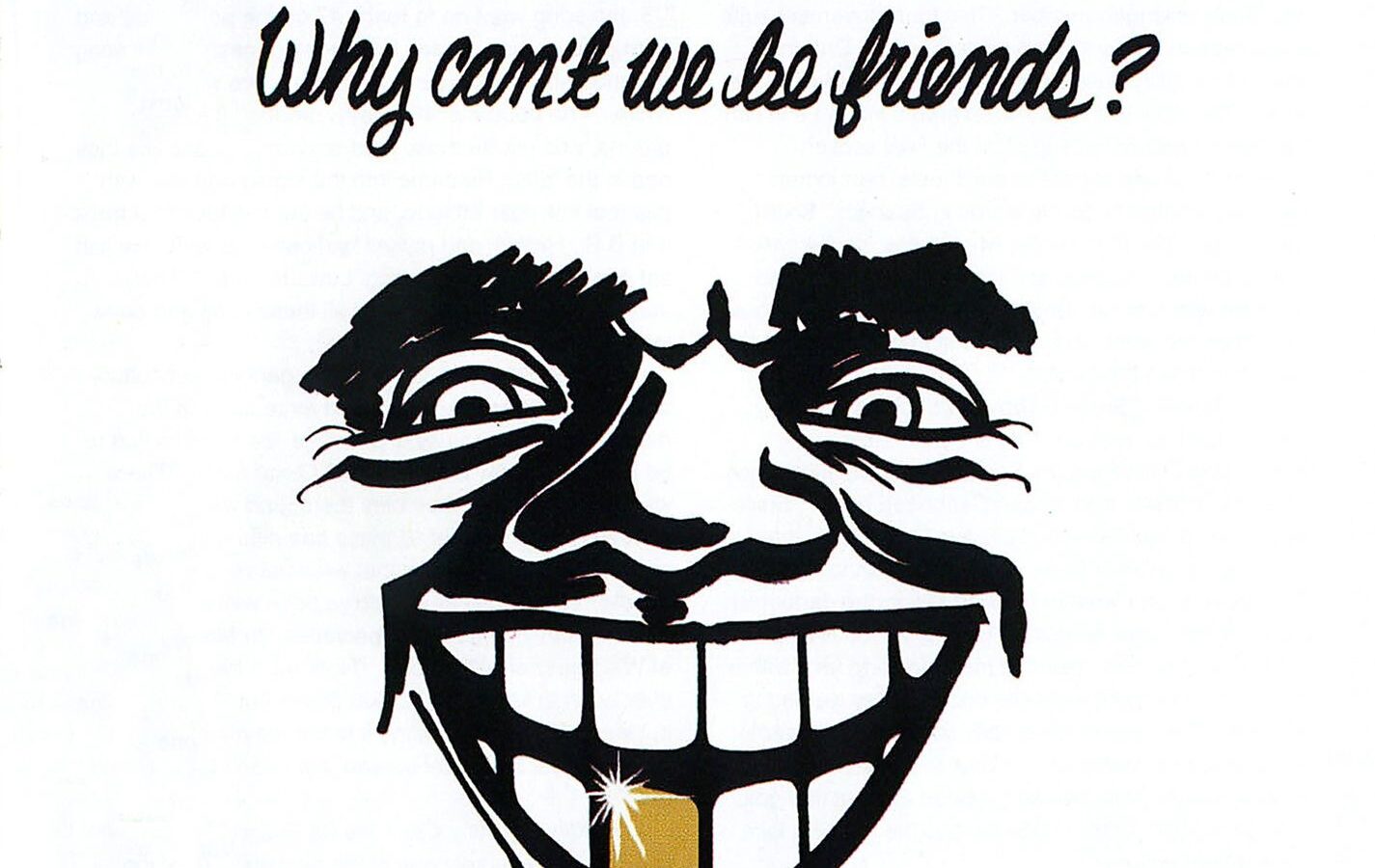
It is 1974. Crystal Studio on Vine Street in Hollywood runs day and night. Stevie Wonder records in the afternoons. War comes in when he leaves. The room is big enough for 20 friends. Every night is a party.
The band are between albums. Their record The World Is a Ghetto went to number one in America the year before.
Seven musicians whose sound crosses genres. Funk, jazz, Latin, blues, soul. They have been jamming for about 45 minutes, and producer Jerry Goldstein is recording everything. Somewhere in the middle of the session they find a groove. Slow and percussive, built around a cowbell.
The next day, Charles Miller, their saxophone player, walks into the studio with a bottle of mezcal, salt and lemon, and too much tequila in him. His voice is wrecked.
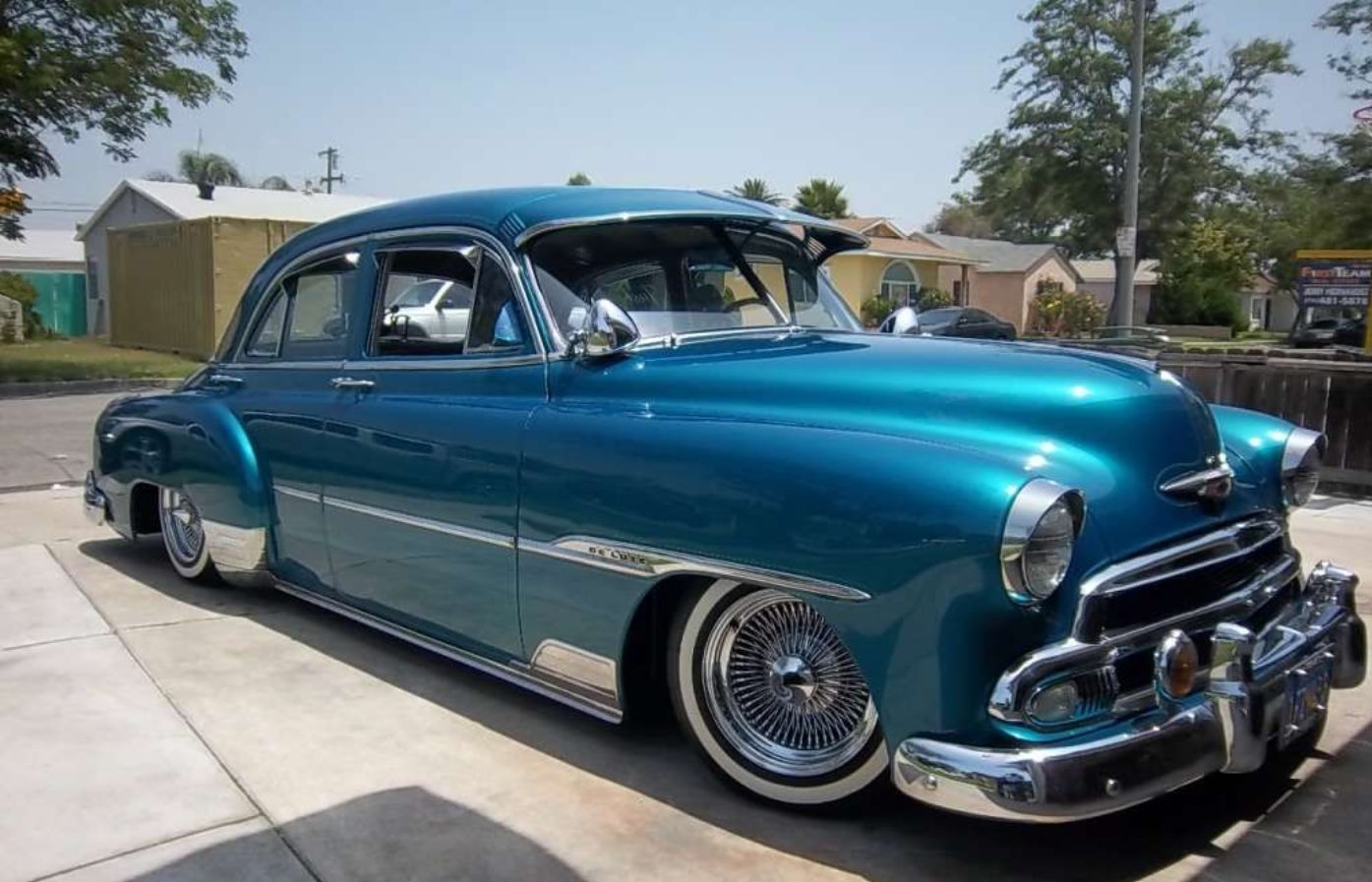
Outside is the 1952 Chevy he just bought.
They all go look at it. “We all went outside to check it out, and just got really inspired,” Jordan recalls.
They come back inside. “You’ve got your lowrider outside,” Goldstein said. “How about a song about a lowrider?” Miller sat down on a bench in front of a microphone and started singing in a low voice. “Low rider.”
From the Nightshift to War
Jerry Goldstein had spent the 1960s writing and producing hits. “My Boyfriend’s Back” for The Angels reached number one in 1963. “Hang on Sloopy” for The McCoys reached number one in 1965. “I Want Candy,” which he performed himself as a member of The Strangeloves, reached number eleven. Alongside music production he ran a poster and merchandise company whose clients included Jimi Hendrix and the Rolling Stones.
In 1969, Goldstein employed Peter Rosen as a poster salesman, who was also the bass player for a band called the Nightshift. For months Rosen asked Goldstein to come hear his band.
The Nightshift were Howard Scott on guitar, Harold Brown on drums, Lonnie Jordan on keyboards, B.B. Dickerson on bass, Charles Miller on saxophone, and Papa Dee Allen on percussion. Six musicians who had been playing together in various forms since the early 1960s, working the clubs of the South Bay. Compton, Long Beach, San Pedro. “San Pedro used to be sort of like the way New Orleans is today,” Jordan recalled. “Clubs on every corner.”
Their sound came from those streets. “We didn’t look at music as this music was black or this music was white or this music was Mexican,” Jordan recalled. “We looked at all music as a universal language.”
Goldstein finally went to hear them rehearse. “It’s Latin, it’s funk, it’s rock, it’s blues, it’s R&B,” he recalled. “It’s everything.” He did not know what to do with them. But he knew someone who might.
The Nightshift were backing Los Angeles Rams defensive tackle Deacon Jones in a Las Vegas-style revue, playing a club called the Rag Doll in North Hollywood. Jones was one of the most famous players in the NFL and the man who coined the term “sack.” About a week later, Eric Burdon walked into Goldstein’s office. Burdon had been the lead singer of The Animals, the British rock band behind “House of the Rising Sun,” but had just disbanded his latest group. “Eric shows up in my office and he’s going back to Newcastle,” Goldstein recalled. “I said, ‘I got this group that maybe you would like.'”
Goldstein took Burdon to the Rag Doll to see the Nightshift play. Burdon brought along Lee Oskar, a Danish harmonica player who was staying with him at the time. One night at the Rag Doll, Deacon Jones did not show up. The band played anyway, believing it was their last gig. Then Burdon walked through the door.
Burdon liked what he heard. When Oskar walked up on stage to join them, the band mistook him for Burdon, Goldstein recalled. Nobody had planned it and nobody stopped it.
The next day Burdon called a rehearsal and took charge of the group. “We’re rehearsing today at 3:00,” he told Goldstein. At the rehearsal, Burdon fired four of the five horn players on the spot, keeping Charles Miller and pairing him with Lee Oskar on harmonica, Goldstein recalled. “I had a lot to pass on to them about stage performance and how to reach a wider audience,” Burdon said.
Three weeks later the band played their first gig together in San Bernardino. Two weeks after that, on Saturday June 21, 1969, they were on stage at the Newport 69 festival at Devonshire Downs in Northridge, California, following Creedence Clearwater. Rolling Stone reported more than 150,000 people attended across three days. They were billed as Eric Burdon.
A few days later, Burdon, Goldstein, and Gold settled on a name. “We figured we got to give this group a name because the Nightshift just doesn’t work for us,” Goldstein recalled. “It’s like if you remember, ’69 was like peace and love and the Vietnam War was happening, so we decided to call these guys War, figuring it would create a reaction and nobody would ever forget the name.”
The band was billed as Eric Burdon and War. His name out front. The band behind him. Nixon was in power, Vietnam was still being fought. The peace sign of the era used two fingers. War used three, forming a W and representing their weapons in the fight: melodies, rhythms, and harmony.
“We are raging wars against wars in the streets and abroad,” Jordan recalled. “Look at what we are doing. We don’t need guns. We don’t shoot people. We have our instruments as our weapon. And from those instruments we shoot melodies, rhythms and most of all harmony.”
Goldstein signed the band to Far Out Productions, his recording and publishing company, which licensed the music to MGM Records. Their debut album, Eric Burdon Declares “War”, was recorded at Wally Heider Studios in San Francisco and released in April 1970. The first single came from an accident. Jordan spilled a glass of wine on the studio console and the board went down in smoke. “Thank God there was a new studio right next door,” Goldstein recalled. “We went over the next day and recorded it.” “Spill the Wine” reached number three on the Billboard Hot 100.
A second album, The Black-Man’s Burdon, followed eight months later in December 1970. The band had been touring constantly, playing the US and UK while recording at the same time. By early 1971 they were on a European tour. Burdon abruptly left in the middle of it.
The accounts of why differ. Brown recalled that he looked at Burdon, saw he was burned out and newly married, and told him War would be fine without him. Burdon said he was summoned to an office and informed at gunpoint that he was no longer needed. Both were there. The band continued.
“Having Eric as frontman was very comfortable,” guitarist Howard Scott recalled. “There was always someone to absorb the shock. Without Eric, I wasn’t sure I was ready.”
Now their name was out front. War.
Goldstein kept recording everything. Every jam got a catalog number.
Four platinum albums followed in four years. All Day Music in 1971. The World Is a Ghetto in 1972, which went to number one and became the best-selling album in America in 1973. Deliver the Word in 1973. And War Live in 1974, a double album recorded over four nights in Chicago. The band had not released a new studio record in two years when they walked into Crystal Studio in 1974.
The Song
Harold Brown found the groove by accident.
He was supposed to be on the downbeat. He landed on the upbeat instead. “I said, ‘Oh boy. I got the beat turned around,'” Brown recalled. “Well, I didn’t panic. I said, ‘Wait a minute. Stay there. Don’t change it. Stay.’ Because as long as you keep doing it over and over and over, it won’t be a mistake.”
One by one the band joined him. B.B. Dickerson on bass. Lonnie Jordan on keyboards. Howard Scott on guitar. All of them landing on the upbeat, Brown recalled. The groove appeared eight minutes into the jam. Goldstein marked it. Papa Dee Allen laid the cowbell on top. The groove was cruising. Goldstein made cassette copies and everyone took one home.
The next day Miller arrived at the studio still feeling the night before. “We already had the track done but we were just trying to figure out what to do with it,” Jordan recalled. “He came in with this tequila and the bottle of mezcal with the worm at the bottom and his salt and lemon. His voice was messed up from drinking.”
Outside was the 1952 Chevy he had just bought. The whole band went out to look at it. “Low and looked mean,” Jordan recalled. Then they came back inside.
“You got that lowrider out there,” Goldstein said. “Why don’t we write a song about you, about lowriders?” Miller sat down on a bench in front of a microphone. The sound engineer let the tape run. “He was just pumping it,” Brown recalled. Lee Oskar picked up his harmonica and started playing. “The next thing I knew, out of his mouth he started saying ‘low rider,'” Jordan recalled. “And you know, that was the beginning of it.”
The song had a subject and a community. Lowrider culture had deep roots in the neighbourhoods of the South Bay. “Living in East L.A., Compton, Watts, and Harbor City, Chicanos and blacks shared one thing: lowriders,” Jordan recalled. “The Imperials and the Dukes were rival car clubs, not gangs, but car clubs. They never really socialized with one another. So when we did that song, it brought the Imperials and the Dukes together as one.”
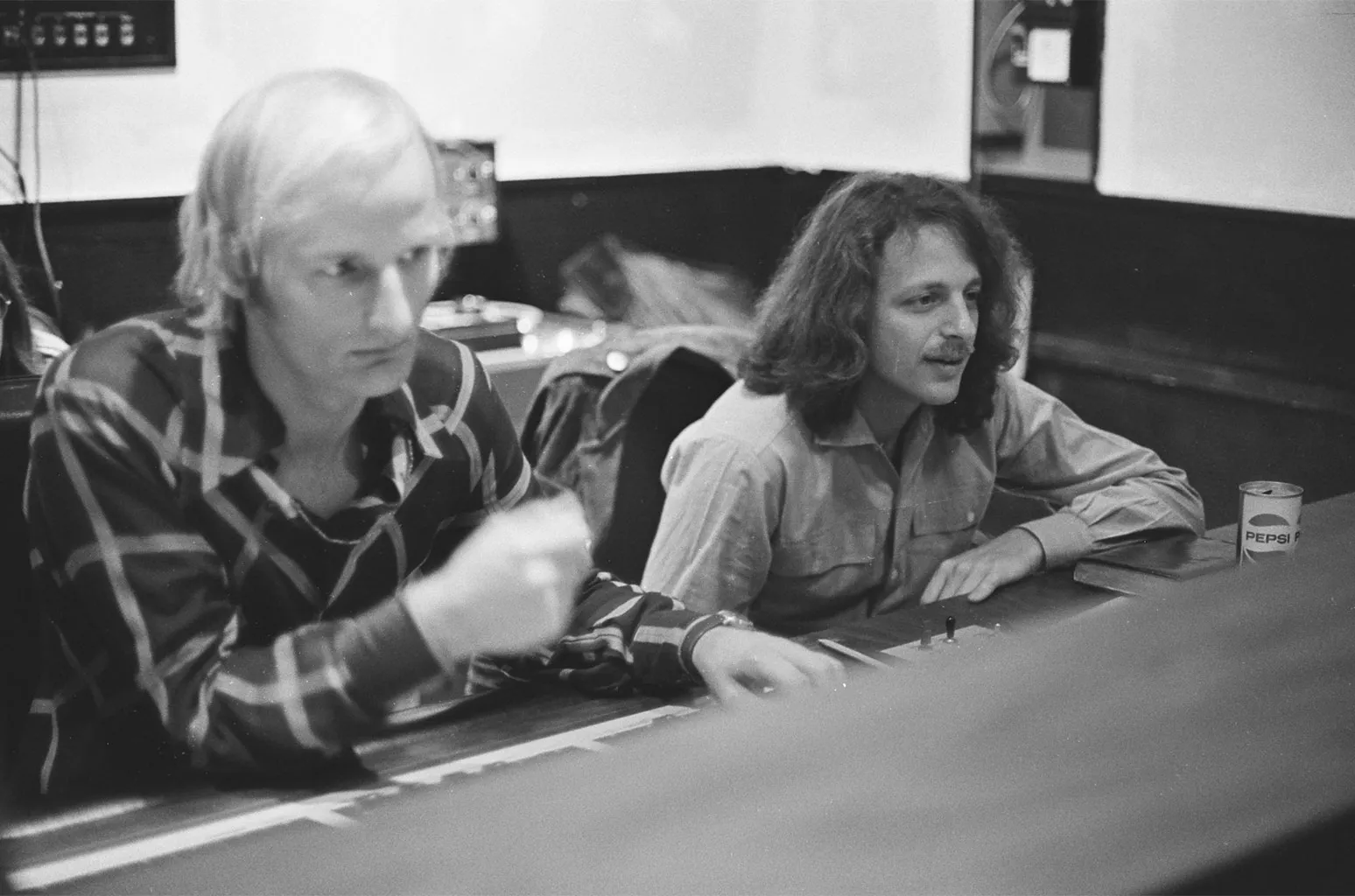
Goldstein recorded all of it. Huston worked with him to shape the final track. The cowbell intro did not exist in the original jam. Goldstein constructed it himself in editing. “I had to create the beginning,” he said. “There was no beginning, because it was part of a jam. So I created the beginning by putting the cowbell by itself.”
“We were always recording,” Huston recalled. “Sometimes 10 hours a night, going through four, five or six reels of 24-track tape.” By six in the morning Goldstein was at Sound City with five edited versions. He took the shortest. “You never get enough in three minutes,” he said. “Don’t overdo it. Just give ’em enough.”
When they finished, the band knew. “All of us looked at it,” Brown recalled. “‘That’s a hit.'”
“Low Rider” was the last song recorded for the album. Before the official release, the band gave cassettes directly to the lowrider clubs. “They all played it in their cars,” Jordan recalled. “As soon as it got played on the radio, the Latin community sent it up the charts, then off it rocketed and nothing was going to stop it.”
The Release
Why Can’t We Be Friends? was released on June 16, 1975. It was War’s seventh studio album.
The album moved quickly. In August 1975, United Artists released “Low Rider” as a single. In the September 6 issue of Cash Box, the song was named Pick of the Week. The review described it as “the friendly strangers in the black sedan, slumped way down with this vocal. Tucked, rolled, chopped and channeled with lots of percussive funk, War comes up with mood music for Wed. night on Van Nuys Blvd.” The same week, Billboard called it “an excellent pop/soul/disco cut” with “a strong Latin beat” and “sparse but effective use of horns against a heavily percussive background.”
On September 20, 1975, “Low Rider” entered the Billboard Hot 100 at number 78. Six days later, Los Angeles Mayor Tom Bradley declared a citywide day in honour of War. All seven members received keys to the city.
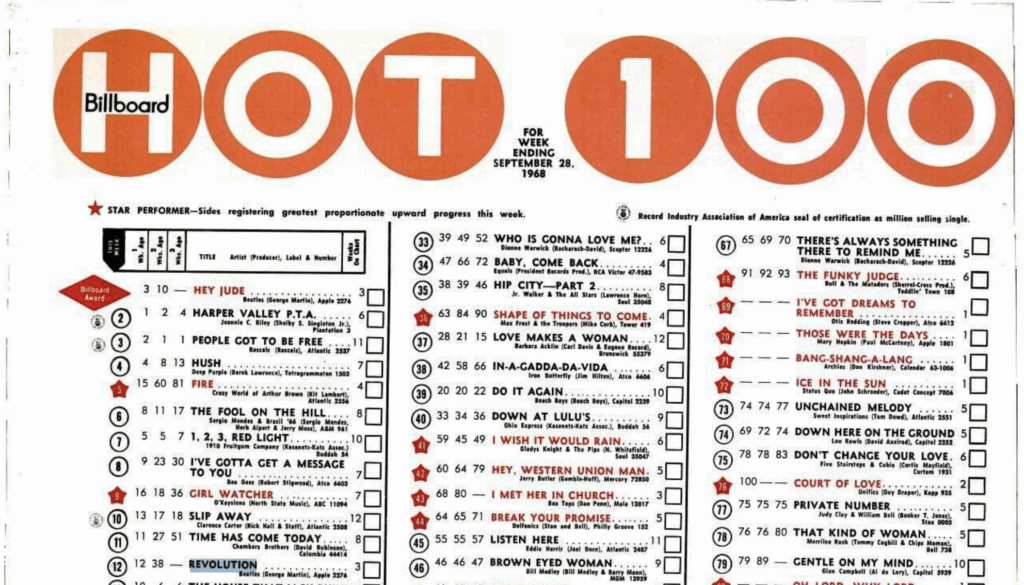
By October 4, “Low Rider” was the most-added song at radio stations across the country, picked up by 27 percent of stations tracked by Cash Box that week. The song was moving east through radio but it had already gone south. “We had a huge Mexican American following,” Goldstein recalled. “And a huge Mexican following, ’cause we would play towns like El Paso, and get more pesos in the box office than dollars.”
“Low Rider” peaked at number five on the Cash Box Top 100 in November 1975 and number seven on the Billboard Hot 100 on November 29, 1975, spending 15 weeks on the chart. It reached number one on the Billboard R&B chart. “The lowrider community, and especially the Hispanic community,” Jordan recalled. “They made us.”
Lyrically: Low Rider
“We’d been filming the lowrider car clubs in LA, the Dukes and Imperials, which had these souped-up cars with tape machines, big speakers and hydraulic parts retrieved from airplane graveyards,” Jordan recalled. “We all developed the rest of the lyrics.”
The song is a lifestyle and about the people in it.
A lowrider is not just a car. It is a statement. Custom paint, hydraulics, chrome. Driving slow is the point. The car says everything about who you are.
All my friends know the low rider (yeah)
The low rider is a little higher (yeah)
The low rider drives a little slower
Low rider is a real goer
“All my friends know the low rider.” The low rider is known. He is a figure in the community, recognizable, respected. “The low rider is a little higher.” Not higher on drugs. Higher in the sense of pride. “We were trying to convey that the lowrider gets a little higher by riding in his automobile, being proud of how he takes care of his ride,” Brown recalled. “It’s like riding around in your trophy. We have found that if you are a real lowrider with a nice ride and it’s clean you will find that his or her home and work place is neat and in order. We lowriders like to make our surroundings better by taking pride in what we are blessed with.”
“‘The low rider drives a little slower’ line was a reference to drivers saving gas, which was very expensive then because of the oil crisis,” Jordan recalled. But driving slow was also the whole point of the culture.
Hey
Low rider knows every street, yeah
Low rider is the one to meet, yeah
Low rider don’t use no gas now
Low rider don’t drive too fast
“Low rider knows every street. Low rider is the one to meet.” The low rider is not just a car owner. He or she knows the neighbourhood and is the one you want to find.
“Low rider don’t use no gas now. Low rider don’t drive too fast.” The double negative is deliberate. It is the language of the street, put on record exactly as spoken.
Take a little trip, take a little trip
Take a little trip and see
Take a little trip, take a little trip
Take a little trip with me
“Take a little trip, take a little trip, take a little trip with me.” The most misread line in the song. Radio stations in 1975 suspected a drug reference. The band pushed back. “‘Take a little trip with me’ was an innocent line about getting in the car with us,” Jordan recalled. “But after people started asking about it we realized it was a double entendre.”
Brown was more direct. “We did not want it to sound as if we were referring to drugs. As a rule most lowriders are not big druggies, because we all had regular jobs as machinists, body and fender and mechanics. We didn’t have any extra money for drugs. We put the money into our cars. Drugs didn’t come into the picture then. That became a Hollywood thing for some reason. Maybe Cheech and Chong?” he recalled.
For Brown, the car was the point. “We were trying to convey that the lowrider gets a little higher by riding in his automobile, being proud of how he takes care of his ride. It’s like riding around in your trophy. We have found that if you are a real lowrider with a nice ride and it’s clean you will find that his or her home and work place is neat and in order. We lowriders like to make our surroundings better by taking pride in what we are blessed with.”
The Legacy
“Low Rider” opened the 1978 Cheech and Chong film Up in Smoke. Brown had predicted it. The drug association, he said, “became a Hollywood thing for some reason. Maybe Cheech and Chong?” The song also appeared in Dazed and Confused in 1993, Gone in 60 Seconds in 2000, and a 2011 episode of The Simpsons.
It was the theme song for all six seasons of the George Lopez Show on ABC from 2002 to 2007. At the 2007 ALMA Awards, Lopez called it the “Chicano national anthem.” It has been sampled in more than 50 songs, by artists including the Beastie Boys, Janet Jackson, Tupac, Method Man, Sublime, Cypress Hill, De La Soul and Flo Rida. In 2025, Ultimate Classic Rock ranked it among the top songs of the 1970s.
In 2014, “Low Rider” was inducted into the Grammy Hall of Fame. War has been nominated for the Rock and Roll Hall of Fame three times and has not been inducted. “That song went all the way from the West Coast to Chicago and New York, and all the way to Japan and Germany,” Jordan recalled. “Around the world. Actually, lowriders are around the world now.”
On June 5, 2025, War received the 2,814th star on the Hollywood Walk of Fame. The ceremony was emceed by Jimmy Jam. George Lopez spoke. The band arrived in lowriders provided by four car clubs: the Imperial Car Club, Groupe ELA, Spirit Car Club, and Southern Life Car Club. The same clubs the band had handed cassettes to before the song was ever released.
“It’s not our catalogue, it’s the people’s catalogue,” Jordan recalled. “Hopefully, this track continues to live on even once we all move out into space.”


What does this song mean to you?
Share your thoughts on this song.