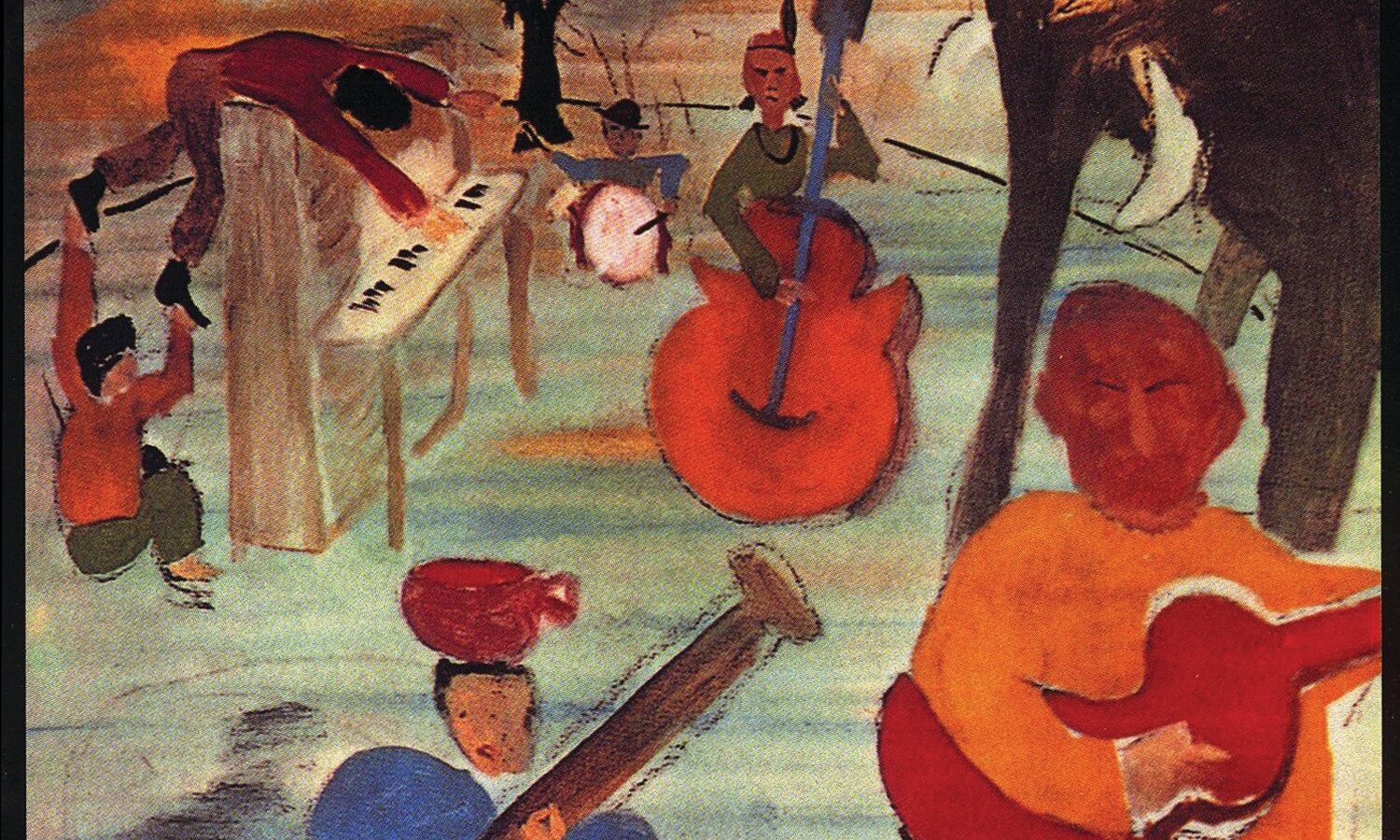

“The Weight” by The Band is a thought-provoking song with a story that perfectly fits the title. How much can you carry until you cannot carry anymore?
What if the members of The Band had never met? What impact would that have had on the music industry, and what artists would not have been influenced by The Band?
The Band blended Americana, folk, rock, R&B, and country into a sound that both defined and interpreted the 1970s. Eric Clapton wanted to join them. George Harrison, Elton John, the Grateful Dead, and Wilco cited them as major influences. They backed Bob Dylan when he embraced electricity in his sound, and recorded The Basement Tapes with him. Their impact extended beyond music as Martin Scorsese’s documentary The Last Waltz in 1978 helped launch his filmmaking career.
Five musicians altered popular music.
To understand how five musicians came together and altered popular music, we need to go back to where the weight began to be carried.
The story begins in Arkansas in 1935
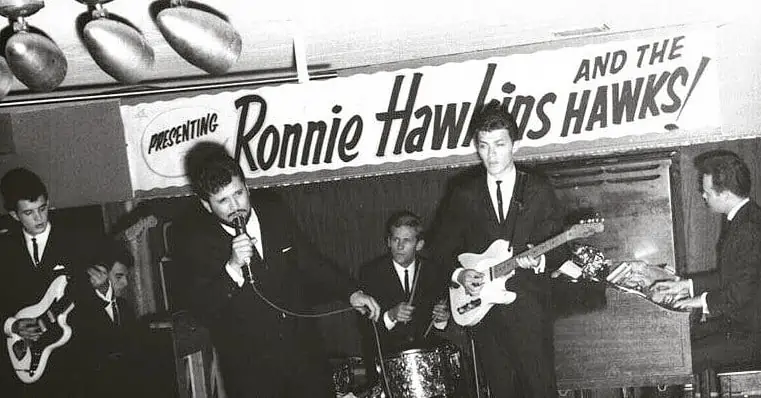
Ronnie Hawkins was born in Arkansas on January 10, 1935. Growing up in Fayetteville during the late 1940s, he discovered late-night AM radio stations like WDIA in Memphis, where he took in the sounds of Muddy Waters, Howlin’ Wolf, Chuck Berry, and Bo Diddley.
While studying at the University of Arkansas in the early 1950s, Hawkins formed a band called The Hawks. The group toured throughout Arkansas, Oklahoma, and Missouri, playing at venues such as The Bubble Club, The Shamrock Club, The Rockwood Club, and the Delta Supper Club.
In early 1957, a young musician named Levon Helm from Marvell, Arkansas, got his break when George Paulman, the bass player in The Hawks, invited him to sit in with the band at the Delta Supper Club. Hawkins was performing without a drummer that night, and Helm, who had been playing drums in his high school band the Jungle Bush Beaters, impressed Hawkins. After graduating from high school in May 1958, Helm became the full-time drummer for The Hawks.
Following Conway Twitty’s recommendation, who told Hawkins that Canada was “the promised land for a rock’n roll singer,” the group moved to Hamilton, Ontario, and found steadier work and better reception than back home. The Hawks made Canada their base and became popular in both Toronto and Hamilton.
Between 1960 and 1961, a new lineup came together: Robbie Robertson, a young “guitar whiz” who had shadowed Hawkins until he was hired; Rick Danko, a rhythm guitarist that Hawkins recruited and instructed to learn bass; Richard Manuel, a pianist Hawkins poached from a Stratford opening act called The Revols; and Garth Hudson, a classically trained organist. This five-member group performed as Ronnie Hawkins and The Hawks until 1964, when they collectively left Hawkins to venture out independently.
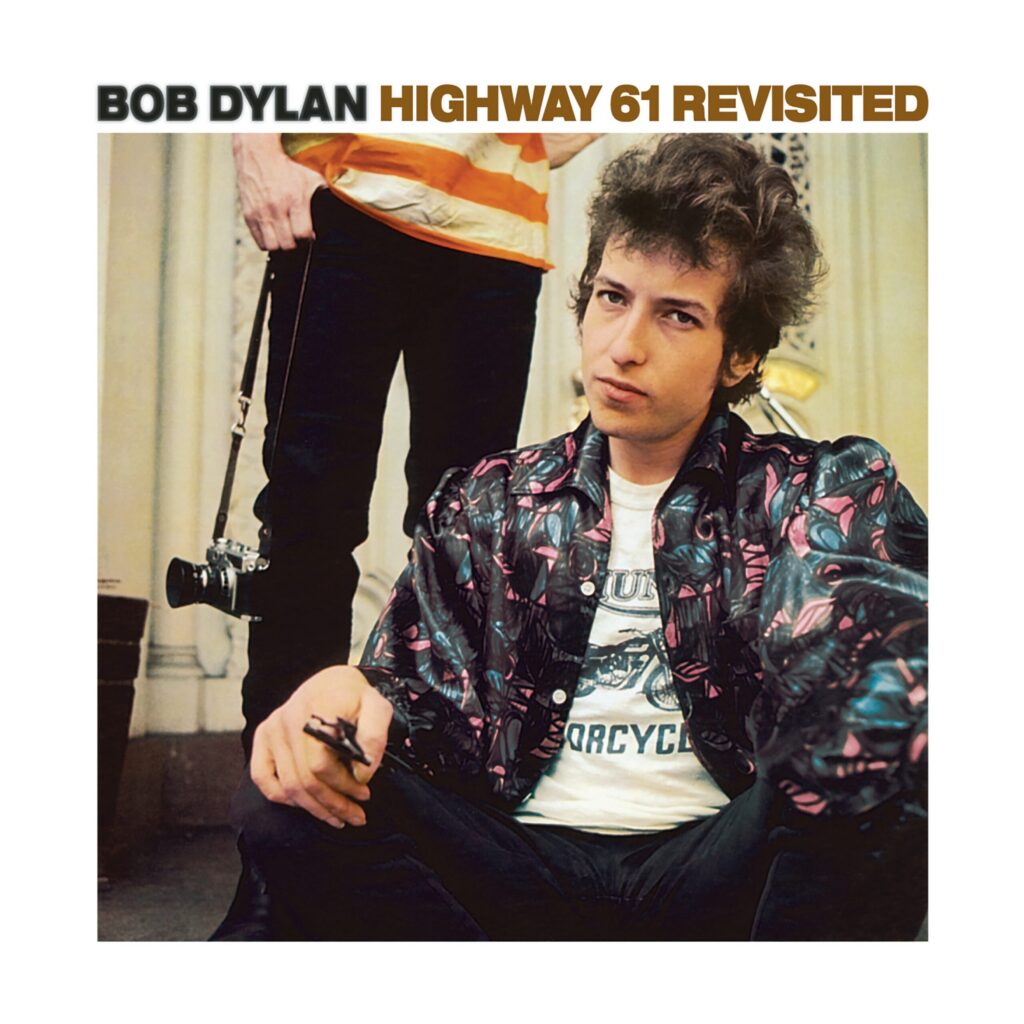
After leaving Hawkins, the group performed as Levon and the Hawks, recording sessions with blues singer John Hammond Jr. in 1964. By September 1965, Bob Dylan hired them as his backing band after seeing them perform at Friar’s Tavern in Toronto. They toured with Dylan during the fall of 1965, though Helm left in November due to the hostile audience reception, missing the controversial 1966 world tour where Dylan and the group faced heckling from folk purists who viewed his shift to electric as a betrayal.

After Dylan’s motorcycle accident in July 1966, the group settled in Woodstock, New York. Helm rejoined in October 1967, and together they recorded The Basement Tapes with Dylan at a house they called Big Pink between June and October.
During this period, they found their own identity, called themselves The Band, and recorded their debut album, Music from Big Pink. Sessions took place at A&R Studios in New York City and Capitol Studios in Los Angeles between January and February 1968. The album was released on July 1, with “The Weight” following as a single five weeks later on August 8.

The road to Nazareth
Robbie Robertson, the primary songwriter for “The Weight,” shared that the inspiration for the song struck in an unexpected moment with his 1951 Martin guitar. “When I wrote “The Weight,” I had my guitar—it’s a 1951 Martin guitar—and I have it on my knee. I’m looking at it, trying to think of what to write about, and I look into the sound hole, and it says Nazareth. I thought, ‘All right,’ and I’d use this. In the first [verse], I pulled into Nazareth. It’s the first line in the song.”
Robertson explained that this inspired the song’s fictional Nazareth, a nod to the Martin guitar factory in Pennsylvania.
“Prior to moving to Woodstock, I lived at the Chelsea Hotel in New York. Poet Gregory Corso, who was staying there, urged me to check out the Gotham Book Mart on West 47th St.,” said Robertson.
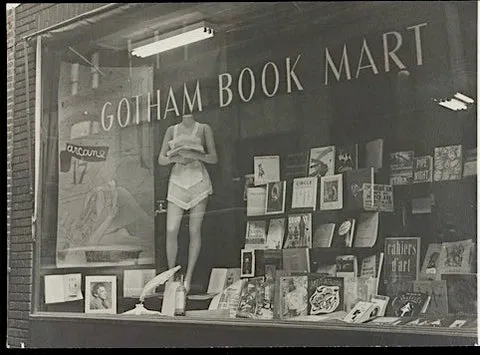
“The bookshop was a dusty, funky place owned by Fanny Steloff that sold used and new books… After looking around, I found that the store also stocked movie scripts. I loved film and had long wondered how plot elements in a film fit together. These scripts were like blueprints. The script that punched me between the eyes was Ingmar Bergman’s screenplay for his 1957 movie The Seventh Seal. Luis Buñuel’s scripts for Nazarín and Viridiana, which examine the impossibility of sainthood, also captivated me,” recalled Robertson.
“In these scripts and in these movies, there’s a theme that almost implies the impossibility of sainthood. Of trying to do good, you think, ‘There’s not that many saints; there must be something difficult about that.’ And the theme in his films—here are these people doing good things and really being tormented for trying to do a good thing.”
“As for the words, I just knew I wanted characters to unload their burdens on the song’s main character in each verse. The guy in my song starts by asking the first person he sees in Nazareth about a place to stay the night, a biblical concept,” stated Robertson.
“So the guy goes, and one thing leads to another, and it’s like, ‘Holy shit, what’s this turned into? I’ve only come here to say ‘hello’ for somebody, and I’ve got myself in this incredible predicament,'” said Robertson.
Lyrically: The Weight
Robertson’s parade of characters unloading burdens comes together in the lyrics of “The Weight,” creating a journey that starts in Nazareth where each encounter builds on the last.
I pulled into Nazareth, was feelin’ about half past dead;
I just need some place where I can lay my head.
“Hey, mister, can you tell me where a man might find a bed?”
He just grinned and shook my hand, and “No!”, was all he said.
The opening lyrics set the tone for the entire journey. Right from the start, the character is emotionally and physically exhausted from his travels, captured by the phrase “half past dead.” “Nazareth” references both a Pennsylvania town where Martin guitars are manufactured and a biblical symbol of spirituality. The narrator’s simple act of seeking help, requesting a place where he can “lay my head,” receives a response that is friendly but unhelpful. The stranger grins and shakes his hand before delivering a “No!”
A handshake typically signals agreement, yet here it comes with rejection. This contradiction introduces the song’s underlying message where encounters appear simple but carry hidden costs. The stranger’s behaviour isn’t cruel, but it leads the narrator on a path where every interaction adds weight rather than providing relief.
Take a load off Fanny, take a load for free;
Take a load off Fanny, And (and) (and) you can put the load right on me.
The chorus is both the narrator’s offer and his trap. By offering to “put the load right on me,” he shows his willingness to help, reflecting Robertson’s theme about people “being tormented for trying to do a good thing.” The compassion that should bring relief becomes the source of his own burden. The repetition of “and (and) (and)” suggests accumulation, with each “and” adding another layer of weight.
“The chorus I came up with was, ‘Take a load off Fanny’—not Annie, as many people think. I’m not sure I had Gotham’s owner in mind when I used ‘Fanny,’ but her name was certainly buried back there in my imagination. ‘Fanny’ just felt rhythmic,” said Robertson. “‘Take a load off and put it right on me’ was also pure Buñuel. Once you lend a hand and assume someone else’s burden, you’re involved.”
The phrase “take a load for free” is another contradiction, like the handshake. Nothing in this song is free. The “load” symbolizes any burden that is accepted, regardless of the cost. By offering to “put the load” on the character, the lyrics capture the act of selflessly helping others with whatever they need to offload.
I picked up my bag, I went lookin’ for a place to hide;
When I saw Carmen and the Devil walkin’ side by side.
I said, “Hey, Carmen, come on, let’s go downtown.”
She said, “I gotta go, but m’friend can stick around.”
These lyrics directly capture Robertson’s ‘impossibility of sainthood’ theme. The ‘bag’ symbolizes burdens the narrator is carrying, while the ‘place to hide’ suggests a search for relief from that weight.
Robertson explained that “Carmen and the Devil walkin’ side by side” was inspired by The Seventh Seal, Ingmar Bergman’s 1957 film in which a knight plays chess with death. Carmen refuses to go downtown but leaves the Devil to stick around and transfers her burden. Like the knight who tries to delay his fate through strategy, the narrator faces a similar dilemma, and thus a trap is created. He can reject the Devil and lose companionship, or accept his presence and compromise his journey.
Go down, Miss Moses, there’s nothin’ you can say
It’s just ol’ Luke, and Luke’s waitin’ on the Judgement Day.
“Well, Luke, my friend, what about young Anna Lee?”
He said, ‘Do me a favor, son, woncha stay an’ keep Anna Lee company?’
The lyrics “Go down, Miss Moses, there’s nothin’ you can say / It’s just ol’ Luke, and Luke’s waitin’ on the Judgement Day” suggest that the character Luke is resigned to his fate, awaiting judgment. His spiritual reckoning is inevitable.
When asked about Anna Lee, Luke’s reply, “Do me a favor, son, woncha stay an’ keep Anna Lee company,” shows that Luke knows he can’t escape what’s coming, but wants someone to keep Anna Lee company when he’s no longer around. This highlights the importance of compassion, understanding, and caring for others, adding more weight to be carried.
Luke and Moses are biblical references, while Anna Lee’s name connects more with Southern American traditions, which fits well with the sound that The Band created. Anna Lee is based on Anna Lee Amsden, a longtime friend of Levon Helm.
Crazy Chester followed me, and he caught me in the fog.
He said, “I will fix your rack, if you’ll take Jack, my dog.”
I said, “Wait a minute, Chester, you know I’m a peaceful man.”
He said, “That’s okay, boy, won’t you feed him when you can.”
The verse describes an unexpected encounter in a setting where nothing is clear. Chester offers to fix something material (the rack) in return for taking responsibility for something living (Jack, the dog).
“Wait a minute, Chester, you know I’m a peaceful man” suggests an awareness that this encounter may lead somewhere dangerous. But Chester’s response dismisses the concern and creates an ongoing obligation. Once again, the narrator acquires a burden he didn’t seek.
“Crazy Chester was based on someone I saw in Fayetteville, Ark., when I was 16. There was this guy in a wheelchair who was kind of nuts. He’d roll into the town square, and when girls went by, he’d call out, ‘Hoocha, baby, hoocha.’ It was like a tic. Chester was stuck in my head. The only major change I made in the entire song was the name of Chester’s dog. Originally, I named the dog ‘Hamlet,’ after [bassist] Rick Danko’s dog at Big Pink. I changed it to ‘Jack’ because Hamlet didn’t sing right,” said Robertson.
Catch a cannon ball now, t’take me down the line
My bag is sinkin’ low and I do believe it’s time.
To get back to Miss Fanny, you know she’s the only one.
Who sent me here with her regards for everyone.
In these lyrics, the line ‘Catch a cannon ball now, t’take me down the line’ expresses an urgency to move on. The phrase ‘bag is sinkin’ low’ suggests the compounding burdens have become overwhelming, pulling him down. It’s time to return to Miss Fanny, revealing that she’s ‘the only one / Who sent me here with her regards for everyone.’
Miss Fanny sent him out “with her regards for everyone,” suggesting good wishes to all. The narrator left with good intentions and returns with burdens. The journey is circular.
When The Band released Music from Big Pink, “The Weight” peaked at #63 on the Billboard Hot 100, a lacklustre commercial performance. In 1968, while attention focused on protest songs like The Beatles’ “Revolution” or flirtatious songs like The Doors’ “Hello, I Love You,” “The Weight” balanced comfortably in the middle with a timeless message.
“The Weight” triggered a shift among musicians. Eric Clapton famously quit his supergroup Cream after hearing the album, calling it “the musical equivalent of a breath of fresh air… It affected me deeply.” Al Kooper, writing for Rolling Stone, declared, ‘This album was recorded in approximately two weeks. There are people who will work their lives away in vain and not touch it.’
“At the Woodstock festival in August 1969, we performed on Sunday, the last day, at 10 p.m. I’d never seen anything like it. There were a half-million people out there in the dark rootin’ and tootin’. They wanted excitement. Our set was more subdued,” said Robertson. “When we played “The Weight” toward the end, you could feel a beautiful somber mood come over the place. It felt like we caused the audience to feel nostalgic for a period they never actually experienced.”
The song and its universal message crossed into soul, gospel, and rock as Aretha Franklin, Diana Ross & the Supremes, and the Temptations all recorded versions. The Staple Singers, featuring Mavis Staples on lead vocals, performed it with The Band in Martin Scorsese’s The Last Waltz in 1978.
Rolling Stone included it in their 500 Greatest Songs of All Time, and the Rock and Roll Hall of Fame inducted it as one of the 500 Songs That Shaped Rock and Roll.
“We should thank Ronnie Hawkins for being so instrumental and us coming together and for teaching us ‘the code of the road’,” said Robbie Robertson at the induction of The Band into the Rock and Roll Hall of Fame in 1994.
Through each verse of “The Weight,” burdens accumulate from the simple act of being willing to help. How much can you carry until you cannot carry anymore? The answer is until.



What does this song mean to you?
Share your thoughts on this song.